







How cold is too cold for a mini split in North Dakota

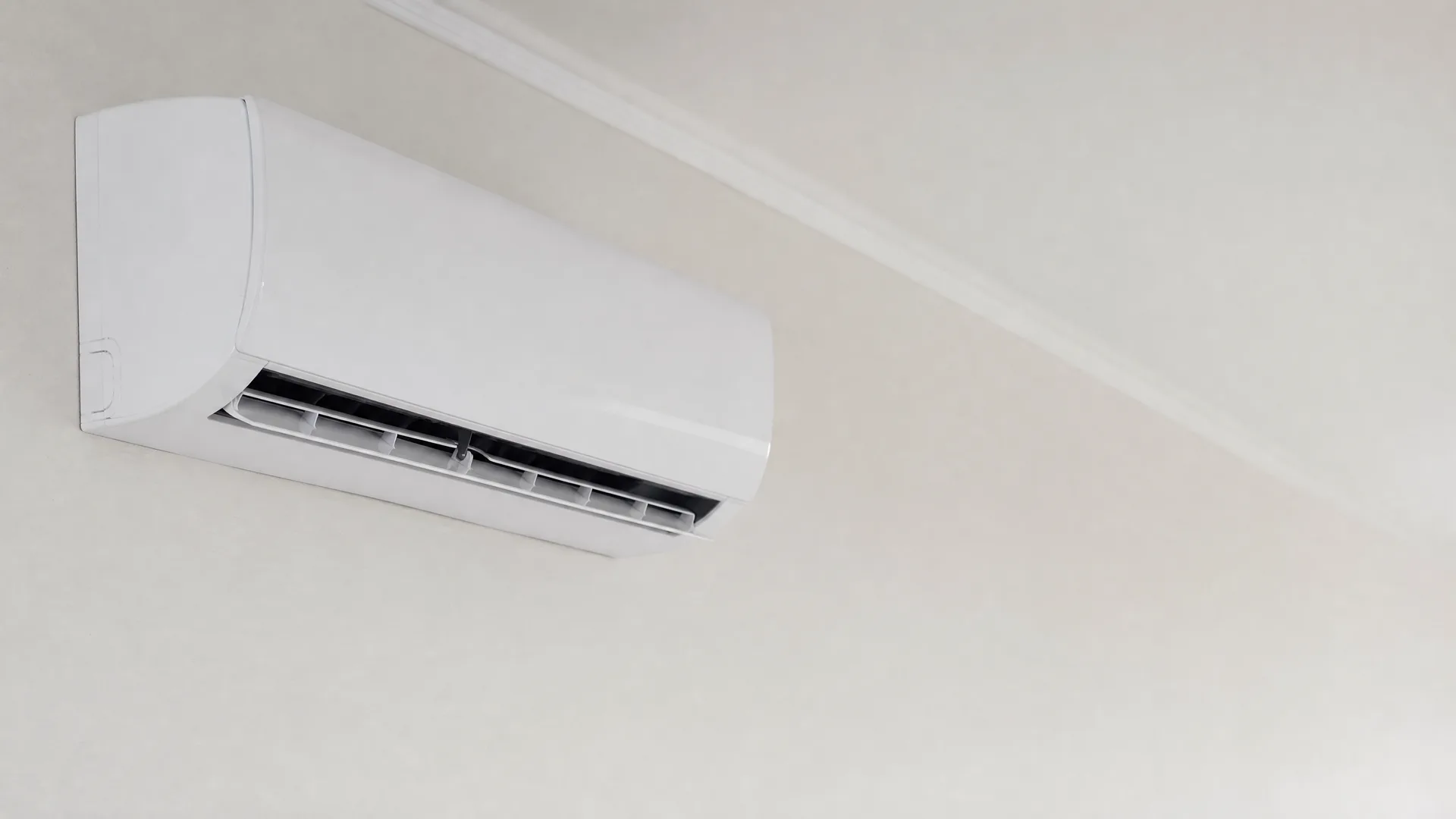
A white wall-mounted mini-split air conditioner indoor unit centered against a plain light gray background.
Get matched

How cold is too cold for a mini split in North Dakota?

North Dakota winters run well below zero for stretches, and you've heard mini splits lose steam in the cold. If you're weighing one for a room or a whole house, you want to know the point where it quits keeping up, not just that it works fine in October.

Most cold-climate mini splits keep heating down to around -15°F to -20°F

A standard mini split starts losing real heating capacity somewhere around 5°F, and below 0°F it struggles to keep a room warm on its own. Cold-climate models are built differently, with compressors designed to keep pulling heat from outside air down to -15°F or -20°F. Below that, output drops off and the unit can't carry the load by itself. Since most homes here heat with gas, a mini split in North Dakota usually works as a second source for a room or addition rather than the only thing keeping the house warm through a January cold snap. The model matters more here than almost anywhere else, since the gap between a standard unit and a cold-climate one shows up fast once temperatures fall.

A white wall-mounted mini-split air conditioner indoor unit installed near the ceiling on a plain beige wall.

What the cold-climate compressor does

A cold-climate mini split uses a variable-speed compressor that ramps up output as the temperature drops, instead of running at one fixed speed. Standard units lose capacity fast once it gets cold. Cold-climate models are built to keep producing heat well below zero by running the compressor harder and managing refrigerant flow differently. That's the difference that matters in North Dakota, not the brand name on the wall unit.

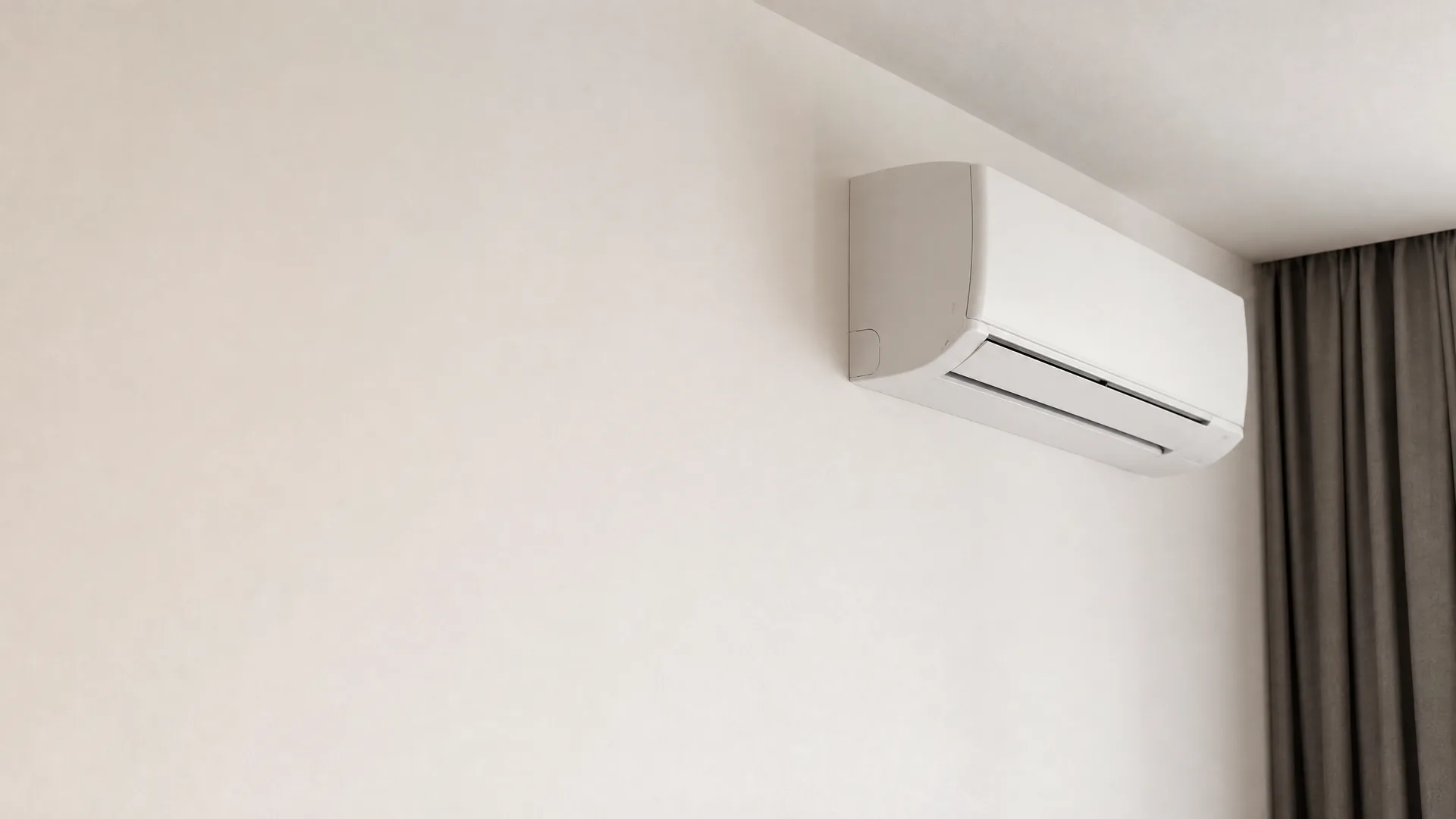
A white wall-mounted mini-split air conditioner on a plain off-white interior wall, with a gray curtain at the right edge.

Where most units are still rated

Manufacturers list a low-temperature rating for a reason. Many mini splits sold for northern climates are rated to keep working down to around negative 15 to negative 20 degrees Fahrenheit, with output dropping as it gets colder. Below that rating, a unit can still run, but it may not cover the heat loss on the coldest nights. That's the number worth checking before you count on one as your only heat source.

Why does your mini split seem to struggle on the coldest nights

You'll notice it most around a hard cold snap. The air coming out of the indoor unit feels cooler than usual, the outdoor unit runs almost constantly, and the room takes longer to come up to temperature than it did in October. On a standard unit, you might also see frost building up on the outdoor coil and staying there. None of that means the system is broken. It means it's working against a load it wasn't sized or built for. If you're relying on it as your only heat source on those nights, that gap matters, since most homes here still lean on gas as the backup. A mini split sized and installed for North Dakota winters shouldn't leave you watching the thermostat.

A woman with long gray hair wrapped in a checked blanket sits on a sofa by a window with yellow autumn foliage outside, with a lamp, framed picture and plant in the background.
An older woman in a cream knit sweater sits on a sofa by a window, looking out at sunlit trees with yellow and orange autumn leaves, with a bookshelf and lamp behind her.
A woman with gray shoulder-length hair in a dark knit sweater sits on a cushioned seat by a window, looking out at yellow autumn foliage, with a living room, armchair, houseplant and framed picture behind her.
An older woman with gray hair in a bun, wearing a cream knit sweater, sits on a sofa with a gray blanket and looks out a large window toward yellow-green autumn trees, with a lit table lamp and dark armchair behind her.

Standard vs. Cold-Climate Mini Split

Standard mini split

  • Output drops fast once the temperature falls below the teens, so it may not keep a room warm through a January stretch.
  • The compressor runs at one or two fixed speeds, so it either keeps up or it doesn't, with little in between.
  • At single digits and below, a lot of standard units shut down or lean hard on backup heat strips to make up the difference.
  • Installed as the only heat source in a North Dakota home, it leaves you short on the nights that matter most.
  • It can still work well paired with a gas furnace that carries the load once it gets that cold.

Cold-climate mini split

  • A variable-speed compressor ramps up as the temperature drops, so it keeps producing heat instead of losing it.
  • Most cold-climate models are rated to keep working down to around negative 5 to negative 15 degrees, depending on the model.
  • It still loses some capacity in deep cold, so sizing it for your coldest nights matters more than sizing it for a mild January day.
  • A gas furnace, if you have one, can back it up on the rare night that drops past what the unit is rated for.
  • It costs more upfront than a standard unit, and that's the tradeoff for the extra cold-weather output.
  1. Outdoor temperature drops, and the thermostat calls for more heat

  2. The variable-speed compressor ramps up speed to pull more heat from outside air

  3. A defrost cycle runs briefly to clear frost off the outdoor coil

  4. Below the unit's rated cutoff, the compressor can no longer pull enough heat

A woman in a cream knit sweater sits in an armchair with her eyes closed near a window showing yellow autumn foliage, with a mug on a round wooden side table beside her.
A gray-haired man with a beard in a blue button-placket shirt reclines on a couch with his eyes closed, beside a sunlit window with a green plant.

Get your mini split to the right pro

A mini split that's sized and installed right for a North Dakota winter can still leave a room short when the temperature drops hard enough, and most homes here lean on gas for that reason. If yours is losing ground on the coldest nights, or you're trying to figure out whether a cold-climate model is worth putting in before the next stretch of below-zero weather, that's a question about your house and your equipment, not a general one. A local contractor who installs these units through North Dakota winters knows which models hold their output at the temperatures you actually get and which ones fall short. Asking gets you matched with one contractor who works in your area and installs this equipment all season, not a handful of companies competing for the job. Send the details on your space and your current setup, and let someone who deals with this cold every winter tell you what will actually keep up.

A white wall-mounted mini-split indoor unit on a beige interior wall, with a potted leafy plant at the left and a curtain edge at the right.

Running the way it should

A mini split that's keeping up looks like this: steady airflow, a quiet cycle, no ice built up on the outdoor coil. Dust doesn't collect on the vents because the filter's doing its job. That's what you want through a North Dakota winter.


A dusty, discolored wall-mounted mini-split air conditioner indoor unit near the top of a plain light-colored interior wall below a white molding strip.

A unit that's falling behind

Grime across the casing and clogged vents mean less air is moving through the coil, and the compressor has to work harder for the same heat. On a mild day you might not notice. On a night well below zero, that's the difference between keeping up and falling short.

Power costs 11.82 cents per kilowatt-hour statewide

At 11.82 cents a kilowatt-hour, running a mini split here costs less than it would in most states, which matters on the nights it has to work hardest to keep up. With gas heating most homes, a mini split is usually backup or a second zone, so that rate applies to fewer hours than you'd think.

EIA-861 2025 statewide residential average

A white wall-mounted mini-split air conditioner installed high on a beige interior wall near the ceiling, with a sheer curtain and window at the left edge.

Keeping up fine

This is a mini split pulling its weight: air moving steadily out of the wall unit, nothing iced over outside, the room holding its temperature without a fight. The vents stay clean because the filter's catching what it should. On a cold snap, this is what you want to see.

A white wall-mounted mini-split air conditioner indoor unit with visible dust and discoloration, installed near the ceiling on a plain beige wall.

Falling behind

Dust and discoloration on the vent usually mean the filter's been missed for a while, and a unit working that dirty has to push harder for the same heat. Add a stretch of hard cold on top of that, and a unit already struggling to breathe falls further behind fast.

A cold-climate mini split keeps working well below zero, but every unit has a point where it stops closing the gap, and in a North Dakota winter that point matters more than the brochure number. The right size for your house, set up by someone who installs these for a living here, is what decides whether that point ever comes up on a given night. A tech who works on mini splits all winter in this state has seen which ones hold up through a hard cold snap and which ones were never sized for it. That's who you get matched with, one licensed local contractor rather than a handful of strangers calling you back, someone who already knows what tends to fail when the temperature drops hard and what doesn't. Whether you're adding a mini split as a second zone or leaning on gas for the worst of it, knowing where that line sits is what lets you plan the room, and the rest, around it.

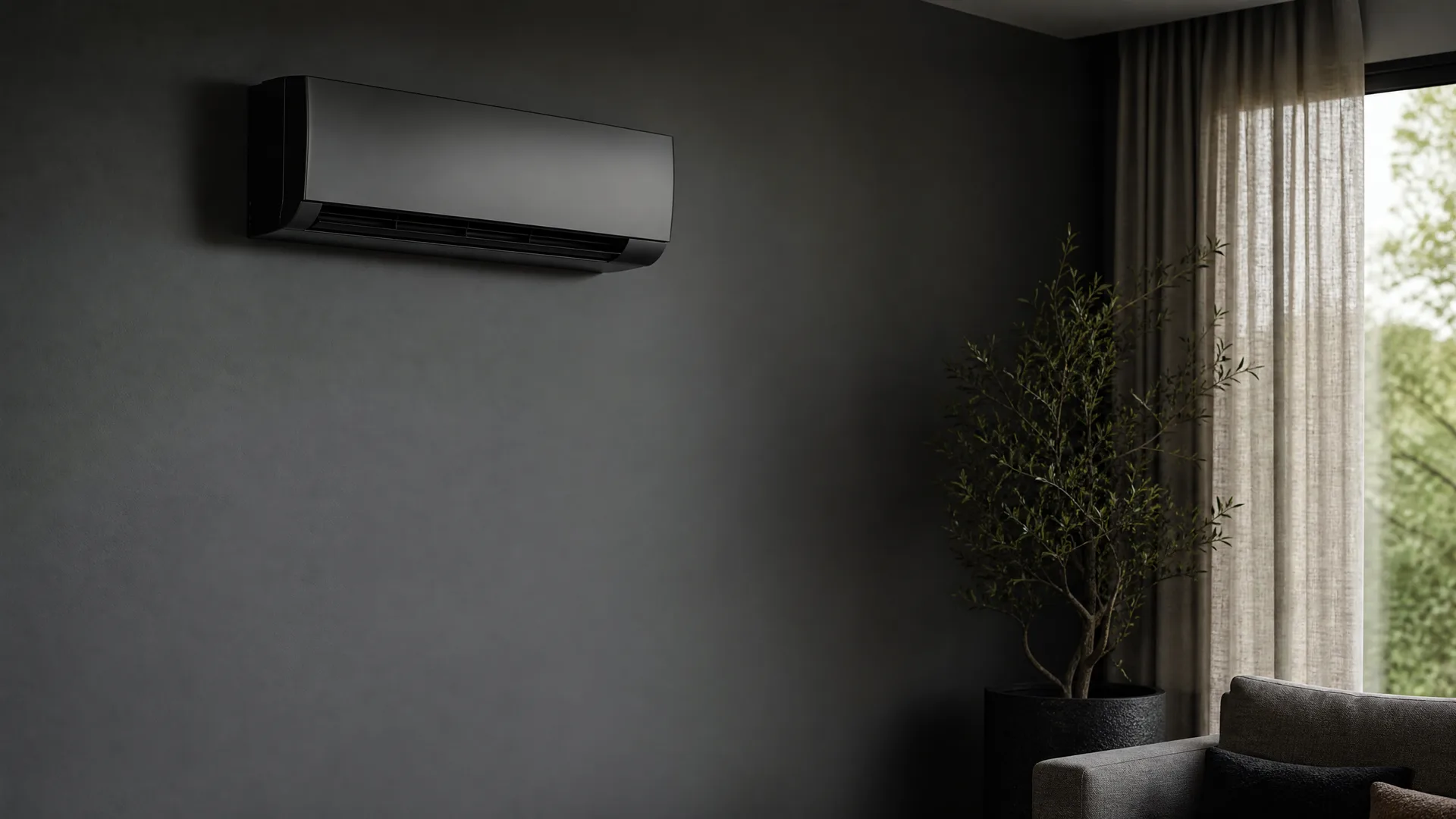
A dark wall-mounted mini-split air conditioner on a gray interior wall, with a potted olive-like tree, sheer curtains over a window showing green foliage, and a gray sofa in the lower right corner.

The right pro for this job

Your request stays with one local pro.

Step 1 of 3: Equipment